Each year, when asked about post-graduation plans, more and more students are saying, “I’m doing a gap year.”  But does everyone know what a gap year is?

What is a Gap Year?

After college, many students feel uncertain about their next steps. A gap year might provide space to reflect on personal values, passions, and career aspirations, which is especially useful if you’re not quite sure what path to take.  Students can use a gap year to gain valuable life skills, whether through travel, volunteering, internships, or work. It’s an opportunity to enhance soft skills (like communication, problem-solving, and adaptability) and build a portfolio of experiences that can make them more marketable in the long run.

For those who choose to travel or engage in international programs, a gap year can broaden their worldview, increase cultural competence, and foster personal growth. These experiences can offer perspectives that enrich their professional and personal lives. Taking a gap year can also offer opportunities to explore potential career paths without the pressure of a long-term commitment. Students can test different roles, industries, or environments through short-term projects, internships, or freelancing, which helps inform future decisions.

Things to Consider

A gap year may delay entering the workforce, meaning a delay in earning income and starting to pay off student loans. Some students might find this challenging if they don’t have financial backing or savings. However, it’s possible to offset these costs with paid work or funding opportunities during the gap year.

Some students may find it hard to re-enter the professional or academic world after a gap year. Staying intentional about setting goals and maintaining career momentum (e.g., through networking, learning, or staying updated with industry trends) can help mitigate this.

While gap years are increasingly accepted, it’s important to be able to explain how the gap year was spent and how it aligns with career goals. Employers may want to see evidence that the year was productive and beneficial.

How long is a Gap Year?

Gap years can range from a few months to a year or more, and the activities can vary widely depending on the individual’s goals and interests.

What is the purpose of a Gap Year?

The goal of a gap year is often to gain life experience, develop new skills, and clarify personal or professional goals before continuing formal education or entering the workforce.

Ultimately, the best gap year option for you will depend on your personal goals and interests. Consider your strengths, weaknesses, and long-term aspirations as you make your decision. Good luck!

Featured Articles

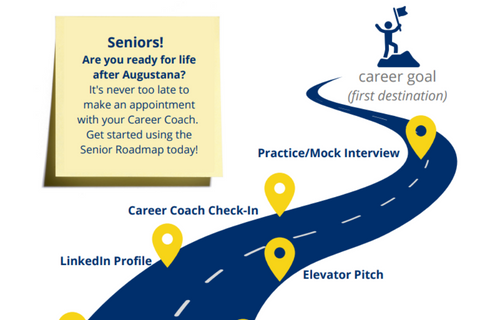
Senior Roadmap

Senior Roadmap | 6 pts

Though the process for achieving career success begins early in a college career, Seniors have additional pressure to make a plan. Career Coaches are especially interested in checking in with every single graduating senior to help …

Read more

Who is my Career Coach?

When scheduling an appointment using Handshake, you will choose an appointment type based on your field of interest. If you are still unsure where your field of interest lies, you also have the option of choosing Exploring Majors and Careers …

Read more

Transferable Skills

Having an understanding of which strengths you bring to a position or academic program will help you throughout your search for employment or entrance to graduate programs. Review this list of commonly sought skills and select those you feel you …

Read more

Schedule an Appointment

Career coaching is a student-centered partnership between student and career coach designed to assist the student in developing career management skills while meeting the student’s career and vocational goals.

Individual career coaching appointments are available to students and recent graduates …

Read more

Sidebar

Career Resources

Job Shadowing Guide

Shadowing healthcare professionals is an invaluable way to gain insight into different medical careers, understand daily responsibilities, and confirm your …

Gap Year Options: Fellowships and Residencies in Social Services & Nonprofits

Fellowships and Residencies provide structured opportunities to develop specific skills, whether in research, environment, public service, or other fields. These …

Gap Year Options: Fellowships & Residencies in Science, Technology, Engineering, & Math

Fellowships and Residencies provide structured opportunities to develop specific skills, whether in research, science, technology, math, public service, or other …

Gap Year Options: Fellowships and Residencies in Law, Government, & Public Administration

Fellowships and Residencies provide structured opportunities to develop specific skills, whether in research, government, public service, or other fields. These …

Gap Year Options: Fellowships and Residencies in Environment

Fellowships and Residencies provide structured opportunities to develop specific skills, whether in research, environment, public service, or other fields. These …

Gap Year Options: Fellowships and Residencies in Education

Fellowships and Residencies provide structured opportunities to develop specific skills, whether in research, the arts, education, or other fields. These …

Labor Market InsightsIn partnership withLightcast logo

Explore occupations by career categories and pathways and use real time labor market data to power your decision making.

First, choose an industry of interest, then filter for occupation. (If you'd like to see data for a specific location only, filter by state.)

Contact & Location

Phone
309-794-7339
Address

Olin Center
639 38th Street
Rock Island, IL 61201

Career Service Hours

Monday 8:00 am- 4:30 pm
Tuesday 8:00 am- 4:30 pm
Wednesday 8:00 am- 4:30 pm
Thursday 8:00 am- 4:30 pm
Friday 8:00 am- 4:30 pm